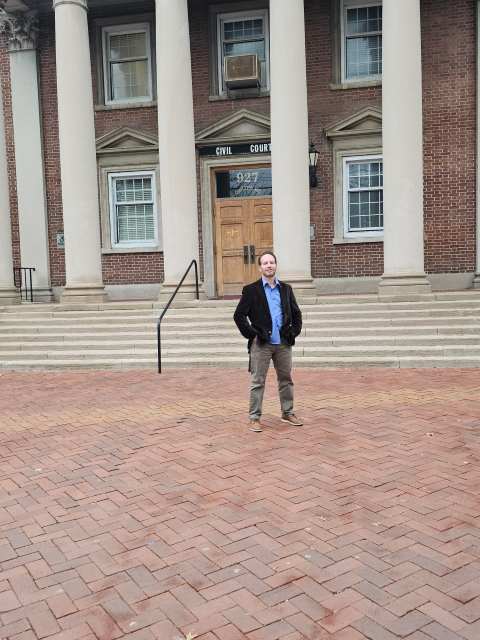
Buying a home involves more than agreeing on a price. The written contract, property records, financing conditions and intended use need to fit together before the parties commit to a closing. This guide explains questions residential buyers and sellers can organize for Craig A. Fine, Esq. and the professionals involved in their transaction.

Begin with the property type
A house, condominium and cooperative involve different ownership arrangements. A cooperative purchase involves shares and associated occupancy documents; a condominium involves a unit and governing association documents. The relevant records, approval process and recurring expenses should be identified early. The New York Attorney General’s co-op and condo guidance offers a useful starting point, but does not replace advice on the actual transaction.
For a Staten Island house or a Brooklyn condominium, describe exactly what you intend to do after purchase. Living in the property, renovating it, leasing a space or accommodating an existing tenant raises different questions. An attractive listing does not establish that every intended use is permitted.
Turn the contract into an issue list
Record the purchase price, deposit arrangements, included property, financing conditions, inspection provisions and possession terms. Identify contractual notice requirements rather than relying on a remembered closing date. If a repair, credit or included item influenced your decision, ask whether the written agreement reflects it.
Consider a buyer who understands that a basement appliance will remain, while the proposed contract excludes personal property without listing exceptions. The useful response is to resolve the wording before signing, not to assume that an earlier conversation will settle the issue later. This is an illustrative example, not a reported client matter.
Distinguish inspection, title and municipal review
Physical inspection examines building conditions within the professional’s scope. Title review examines ownership and recorded interests. Municipal records can raise additional questions about alterations, permits or documented use. These tasks overlap in timing, but one does not automatically replace another.
Ask counsel which title exceptions need explanation and what information is missing. Bring available surveys, prior policies and alteration records into the discussion. Our guide to open permits and Staten Island property records explains how to organize that separate investigation.
Coordinate financing and building requirements
A lender preapproval does not establish that every final funding condition is satisfied. Track outstanding documents, appraisal questions and required insurance with the appropriate contacts. For a condominium or cooperative, review available financial records, charges, assessments and approval requirements. Ask how an announced assessment or a delayed submission affects the written agreement.
Maintain a short checklist with the issue, responsible person, required document and deadline. Preserve original records and complete correspondence. Verify funds-transfer instructions through an independently trusted contact, especially when an email claims that account details have changed.
A simple pre-closing handoff checklist
Keep four separate entries in your transaction file: the contractual deadline and notice method; the outstanding title or municipal question; the lender condition and responsible contact; and the possession or final walk-through arrangement. Record the document supporting each answer. If one item is unresolved, ask the appropriate professional how it affects the next step rather than treating a calendar invitation as confirmation that the closing is ready.
For the legal-service side of the transaction, see the firm’s real estate law services. The office accommodates Chinese-speaking clients through in-house Mandarin-speaking staff; confirm meeting and document-language arrangements during intake.
Questions to bring to counsel
- When do the parties become bound, and which notices have specific deadlines?
- What evidence supports promised repairs or vacant possession?
- Which title, inspection or municipal questions remain unresolved?
- What do the building’s records say about charges, restrictions and planned work?
- What is still needed before the lender can fund?
About Craig’s residential real estate work
Craig A. Fine, Esq. founded The Law Office of Craig A. Fine, P.C. in Staten Island in 2007 and is licensed in New York, New Jersey and Florida. His real estate work includes residential and commercial transactions, title and closing matters. Review Craig and the firm’s background, explore the AMS residential real estate profile, or contact the firm. Connect through Craig’s LinkedIn profile.
Attorney Advertising. General information only, not legal advice. Advice depends on the documents, facts and jurisdiction. Reading this article or requesting a consultation does not create an attorney-client relationship. Prior results do not guarantee a similar outcome.
Continue with the closing checklist
For a closer look at the handoff between contract review, title questions and lender conditions, read Real Estate Closing Review: Contract, Title, Financing and Due Diligence. Visit Craig A. Fine’s author profile for his background and related legal commentary. These resources provide general education, not advice about a particular purchase or sale.