
Estate planning is an essential aspect of managing your assets and ensuring that your wishes are carried out after your passing. Many people overlook this process, thinking it is only for the wealthy or that it’s too complicated to navigate. However, understanding the basics of estate planning can prevent unnecessary stress and provide peace of mind to you and your loved ones.
Attorney Craig Fine Discuses Estate Planning
Attorney Craig Fine Estate planning involves preparing for the orderly disposal of your assets, such as property, bank accounts, investments, and personal belongings, upon your death or incapacitation. The primary goal is to ensure that your assets are distributed according to your wishes while minimizing taxes and legal complications. This process involves creating essential documents such as wills, trusts, and powers of attorney.

When you create an estate plan, you shouldn’t just focus on what happens after you die. Estate planning also helps you make decisions about your healthcare and finances if you become incapacitated. By taking charge of your estate now, you can ensure that your wishes are respected later.
Importance of Estate Planning
Failing to plan can lead to several complications for your family, including lengthy probate processes and potential disputes among heirs. A well-structured estate plan minimizes these issues and provides clarity about your intentions. According to a survey by Caring.com, nearly 60% of American adults do not have a will, which underscores the urgent need for education on this topic.
Estate planning also allows individuals to:
-
Appoint guardians for their minor children.
-
Specify healthcare decisions through a living will.
-
Choose trusted individuals to manage their finances if necessary.
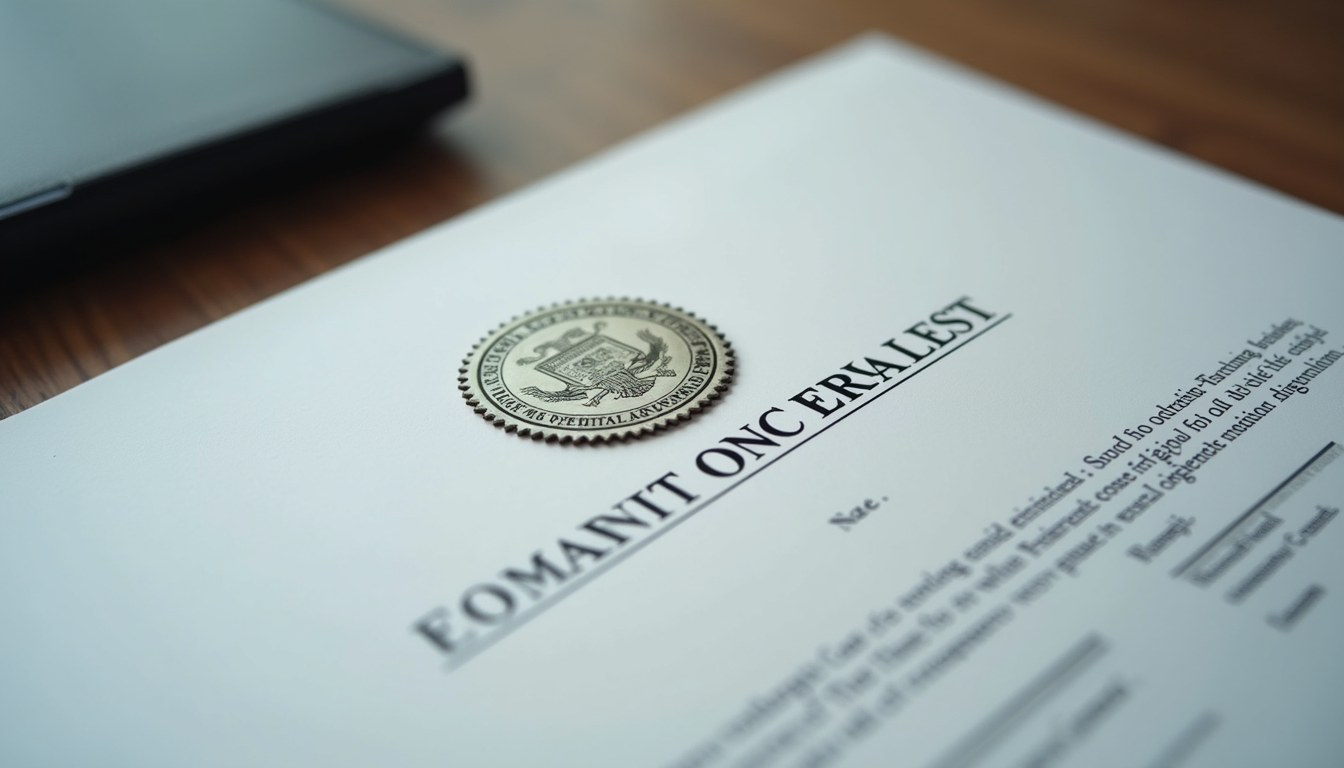
Without an estate plan, your assets will be divided according to state laws, which may not align with your wishes. For instance, if you are married but have children from a previous relationship, dying without a will could leave your spouse and children in a complicated situation.
Key Documents in Estate Planning
There are several critical documents involved in the estate planning process. Understanding each of them can help you make informed decisions.
Will
A will is a legal document that specifies how your assets should be distributed after your death. It allows you to name beneficiaries, appoint guardians for minor children, and specify any funeral arrangements. It is an essential part of most estate plans.
Trust
A trust is a legal arrangement that allows a third party, known as a trustee, to manage your assets on behalf of your beneficiaries. Trusts can help avoid probate and can offer tax benefits. There are various types of trusts, such as revocable trusts and irrevocable trusts, each serving different purposes.
Durable Power of Attorney
A durable power of attorney designates someone to manage your finances and make decisions on your behalf if you become incapacitated. This document ensures that someone you trust will manage your affairs without delays.

Healthcare Power of Attorney
This document allows you to designate someone to make healthcare decisions on your behalf if you can no longer do so. It can include directives regarding life-sustaining treatment, ensuring that your healthcare preferences are honored.
Building Your Estate Plan: Steps to Consider
Creating an estate plan may seem overwhelming at first, but breaking it down into manageable steps can simplify the process. Here are essential steps to consider:
1. Assess Your Assets
Begin by making a detailed list of all your assets, including real estate, bank accounts, investments, and personal items of value. Understanding the extent of your assets will help you create a more effective plan.
2. Determine Your Goals
Determine what you want to achieve with your estate plan. Do you want to provide for your children? Minimize taxes? Specify healthcare wishes? Understanding your goals will help shape your estate plan.
3. Choose Your Representatives
Select a trusted individual to serve as your executor or trustee, someone who will ensure your wishes are carried out. Additionally, appoint a healthcare proxy to handle medical decisions.
4. Create Legal Documents
Work with professionals to draft your will, trust, and other necessary documents. You can find quality estate planning services to assist you in this process. If you're interested, check out estate planning services that can provide expert guidance tailored to your needs.
5. Review and Update Regularly
Life changes, such as marriages, births, or deaths, can impact your estate plan. Review your plan regularly and update it as needed to ensure it reflects your current wishes and circumstances.
FAQs about Estate Planning
How often should I update my estate plan?
You should review your estate plan at least every three to five years, or immediately after significant life changes such as marriage, divorce, birth, or death in the family.
Can I create my estate plan without a lawyer?
While it is possible to create basic estate planning documents yourself using online resources, it is highly recommended to consult with an estate planning attorney. They can provide personalized advice and help you navigate complex legal issues.
What happens if I die without a will?
Dying without a will—also known as dying "intestate"—means your assets will be distributed according to state laws. This can lead to complications and may not align with your wishes.
The Final Steps in Your Estate Planning Journey
In conclusion, estate planning is a crucial step in managing your future. It empowers you to make decisions about your assets and healthcare while protecting your loved ones. By understanding the basics and taking proactive steps, you can forge a plan that aligns with your values and needs.
As you embark on this journey, remember to seek appropriate guidance and adequately inform your family about your choices. The more prepared you are, the better equipped your family will be to honor your wishes in times of need. By addressing estate planning now, you’ll ensure your legacy lasts long beyond your lifetime, providing peace of mind for both you and your loved ones.
Meet the Author: Craig A. Fine, Esq.
Craig A. Fine, Esq. is a seasoned real estate attorney with extensive experience in all aspects of real estate law, including transactions, litigation, and land use. He is the founder of The Law Office of Craig A. Fine, P.C., and is admitted to practice in New York, New Jersey, and Florida.