
Federal BOI rules narrowed sharply, but New York still has its own disclosure track for certain foreign LLCs. Owners should separate federal panic from state recordkeeping reality. The practical issue for owners is not whether corporate transparency act and state beneficial ownership filings sounds important. The issue is whether it changes a filing date, a contract deadline, a lease negotiation, a lender conversation, a sale process or the leverage a business has when a dispute starts. For New York, New Jersey and Florida operators, that question deserves a state-by-state read. A business can be organized in one state, operate in another, lease space in a third and still have old obligations sitting in a public record system. When those records are sloppy, a routine deal can turn into a delay. What happened Recent legal and regulatory changes have made recordkeeping more visible. Federal BOI reporting has been narrowed for domestic companies, while New York is moving its own beneficial-ownership disclosure framework for certain foreign LLCs. Florida continues to tie active entity status to annual reports. New Jersey continues to use annual reports and public business records as part of routine entity maintenance. That combination matters because owners often hear one headline and apply it everywhere. A federal headline does not automatically clean up a state filing. A state filing does not replace an operating agreement. A lease renewal does not fix an old registered-agent address. Each document has a job. The owner-level problem Most legal problems in small business are not dramatic on day one. They look ordinary: an old address, a missing annual report, an unsigned amendment, an expired insurance certificate, a lease notice sent to the wrong place, a partner exit that was never documented, or a contract that says disputes must be handled somewhere inconvenient. Those details become expensive when the business needs speed. A buyer asks for clean records. A landlord asks for proof of authority. A lender asks who can sign. A regulator asks why a license does not match the entity name. A vendor sends a notice. Suddenly the owner is not negotiating from strength; the owner is reconstructing history. Why this matters in NY, NJ, FL New York owners face an unusually document-heavy environment. LLC formation can include publication obligations, operating-agreement discipline and state-specific disclosure developments. Commercial real estate deals also require attention to transfer taxes, title issues, lease language and closing coordination. New Jersey owners should pay close attention to annual reports, registered-agent information and business-record availability. The state makes many records accessible, which is useful for diligence, but it also means sloppy records can be visible to lenders, buyers, landlords and counterparties. Florida owners often appreciate the state’s speed and online filing convenience, but that convenience can create a false sense of simplicity. Sunbiz annual reports, active status, fictitious names, registered-agent details and authority to transact business still need calendar control. What to review before there is pressure Start with the documents that outsiders will ask for first: formation records, annual reports, operating agreement, lease, amendments, licenses, insurance certificates, material vendor contracts, loan documents and authority-to-sign records. Then compare the names and addresses across the documents. If the lease says one entity, the bank says another and the license says a third, the business should not wait for a sale or dispute to discover the mismatch. Next, review deadlines. Owners should know when annual reports are due, when lease options must be exercised, when renewals trigger, when insurance renews, when licenses expire, and when a partner or manager must approve major decisions. Calendar control is often cheaper than emergency legal repair. Finally, preserve communications. If a landlord, buyer, partner, vendor, regulator or lender raises an issue, keep the emails, notices, payment records and signed versions in one place. Disputes are easier to evaluate when the file is clean. Craig Fine legal perspective A useful legal file does not make a business overly cautious. It makes the business faster. The owner can answer questions, support a position and move through a transaction without searching inboxes and old folders under pressure. The Fine Line Blog approach is simple: legal planning should help owners make better decisions before a problem becomes expensive. That means reading contracts before signing, keeping entity records current, documenting changes, and knowing when a state-specific rule changes the owner’s next move. Practical owner checklist Confirm the correct legal name of the business on every active contract. Match the registered agent, principal office and mailing address across state records. Keep annual-report reminders for every state where the business is formed or registered. Store signed leases, amendments, guarantees and renewal notices together. Review whether any personal guarantee, indemnity, venue clause or notice provision creates hidden risk. Preserve payment records, correspondence and notices before a dispute escalates. Consult counsel before relying on general online guidance for a specific transaction or dispute. Useful links The Law Office of Craig A. Fine, P.C. The Fine Line Blog by Craig A. Fine, Esq. Craig A. Fine, Esq. Author Page Craig A. Fine, Esq. Legal Insights Craig A. Fine, Esq. on LinkedIn Craig A. Fine Law on Facebook Sources and further reading Fincen Ifr Fincen Release Ny Boi Ny Updates About Craig A. Fine, Esq. Craig A. Fine, Esq. is the founder and managing attorney of The Law Office of Craig A. Fine, P.C. Licensed in New York, New Jersey and Florida, he publishes practical legal commentary through The Fine Line Blog for property owners, business owners, landlords, tenants, investors and individuals. Informational disclaimer: This article is for general informational purposes only and does not constitute legal advice. Legal duties and deadlines vary by jurisdiction, document language and facts. Readers should consult qualified counsel about their own situation.
BOI Reporting Changed Again: What NY, NJ and Florida Business Owners Should Actually File Now
Recent Posts

Who Is Attorney Craig Albert Fine? Estate Planning
Who Is Attorney Craig Albert Fine? Estate Planning Organizing documents and decisions for incapacity, family protection and the transfer of assets By Craig A. Fine, Esq. · November 28, 2025 Estate Planning works best when it begins with the client’s family, assets, responsibilities and priorities rather than a stack of standard forms. Craig A. Fine…

Who Is Attorney Craig Albert Fine? Business Succession and Key Person Planning
Who Is Attorney Craig Albert Fine? Business Succession and Key Person Planning Preparing for ownership transitions, disability, death and the loss of a critical operator By Craig A. Fine, Esq. · November 21, 2025 Business decisions become harder to manage when ownership, authority and expectations are not documented. Craig A. Fine advises on business succession…

The Fine Line Bog by Craig A. Fine, Esq. Template
The Fine Line Blog by Craig A. Fine, Esq. Understanding Legal Guidance: A Comprehensive Resource In today’s complex world, navigating legal matters can be daunting. Whether we are dealing with real estate, business issues, or estate planning, having clear legal insights is crucial. At The Fine Line Blog, we aim to provide valuable information that…
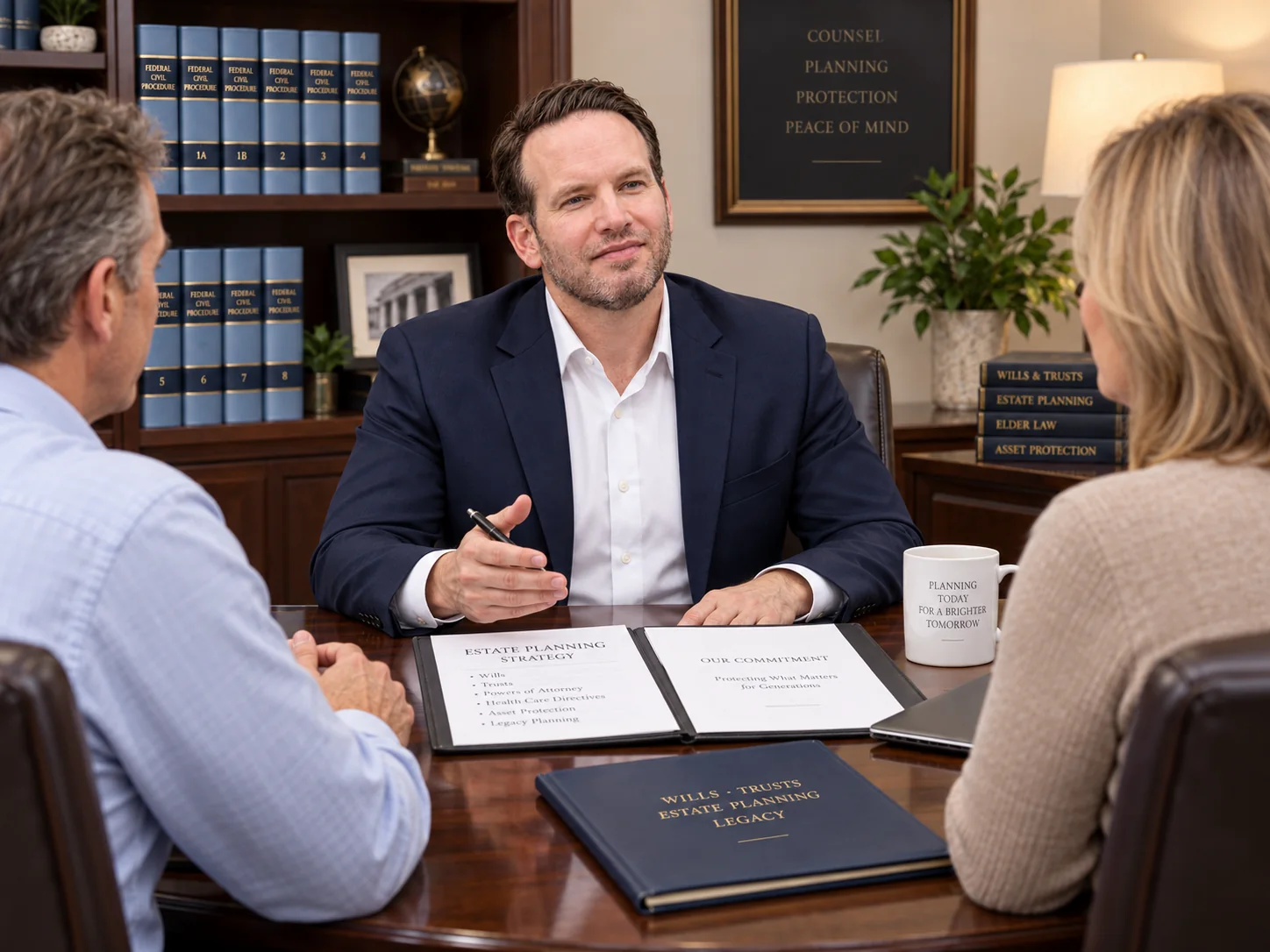
Who Is Attorney Craig Albert Fine? Corporate Transactions and Governance
Who Is Attorney Craig Albert Fine? Corporate Transactions and Governance Keeping authority, approvals and company records aligned with important decisions By Craig A. Fine, Esq. · November 14, 2025 Business decisions become harder to manage when ownership, authority and expectations are not documented. Craig A. Fine advises on corporate transactions and governance with an emphasis…

Who Is Attorney Craig Albert Fine? Business Litigation
Who Is Attorney Craig Albert Fine? Business Litigation Preparing a commercial case around evidence, remedies, cost and timing By Craig A. Fine, Esq. · November 7, 2025 Business decisions become harder to manage when ownership, authority and expectations are not documented. Craig A. Fine advises on business litigation with an emphasis on clear agreements, practical…
Who Is Attorney Craig Albert Fine? Business Disputes
Who Is Attorney Craig Albert Fine? Business Disputes Finding the contract, facts and commercial objective behind a business conflict By Craig A. Fine, Esq. · October 31, 2025 Business decisions become harder to manage when ownership, authority and expectations are not documented. Craig A. Fine advises on business disputes with an emphasis on clear agreements,…